EN
Custom Segment Lash Cards: Printed, Not Tooled (2026)
The cheapest thing you can customise in lash packaging
Ask a supplier to change a rigid box and they will quote you a die, a proof and a minimum run. Ask them to change a card and they will quote you a print file.
That asymmetry is the whole commercial case for the segment lash card, and it is worth understanding properly — because the same flatness that makes a card cheap to customise also makes it the least protective format in the range, and the two facts come from the same place.
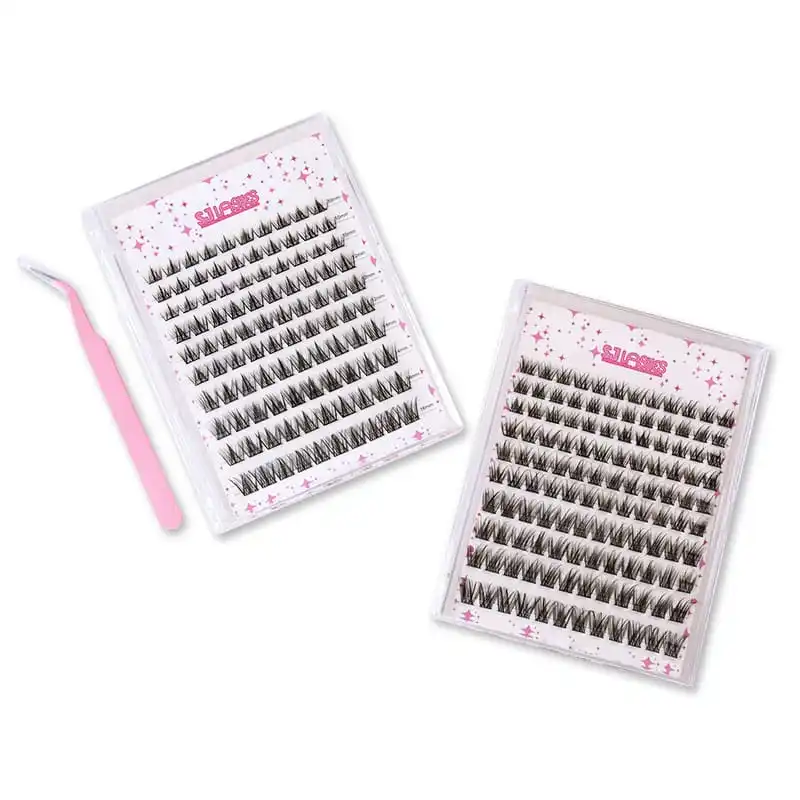
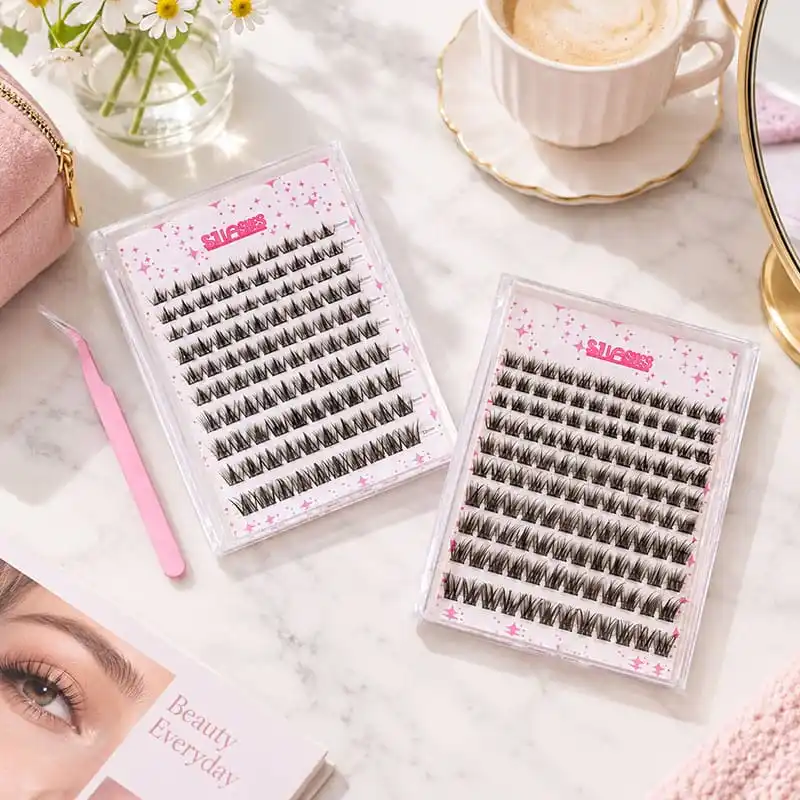
This is the format we run for an Oman programme: glue-free segment lashes mounted on a printed paper card, in a clear case, with tweezers. The card is fully customisable — size, card colour, logo, foil — and the article explains what that means in practice, where it stops, and what you have to get right that a box would have solved for you.
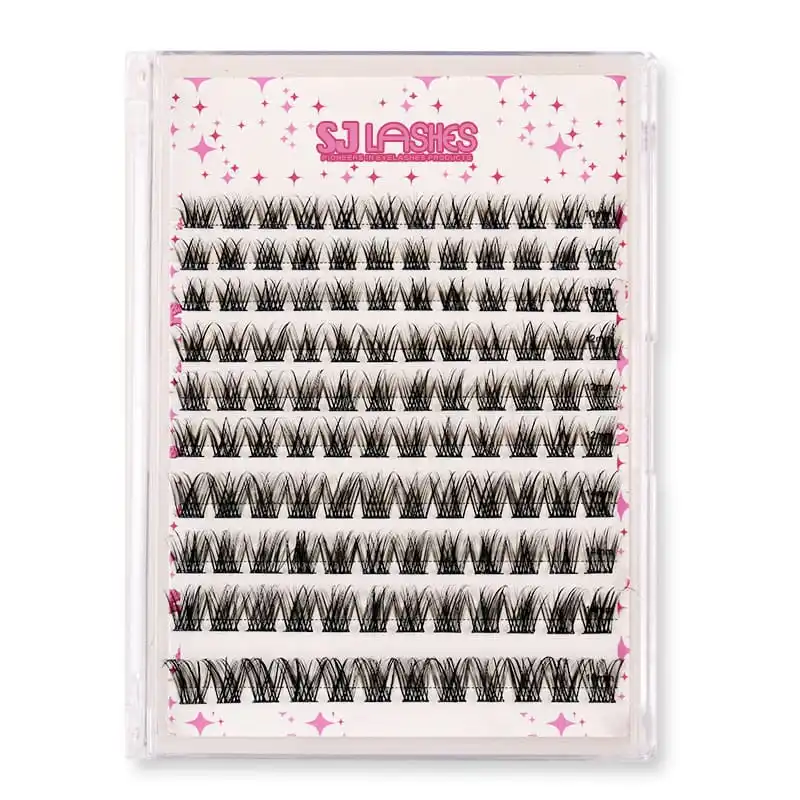
Ten Rows on a Printed Card, in a Clear Case
Quick answer
| Question | Answer for this format |
|---|---|
| What it is | Glue-free segment lashes mounted on a printed paper card, in a clear case |
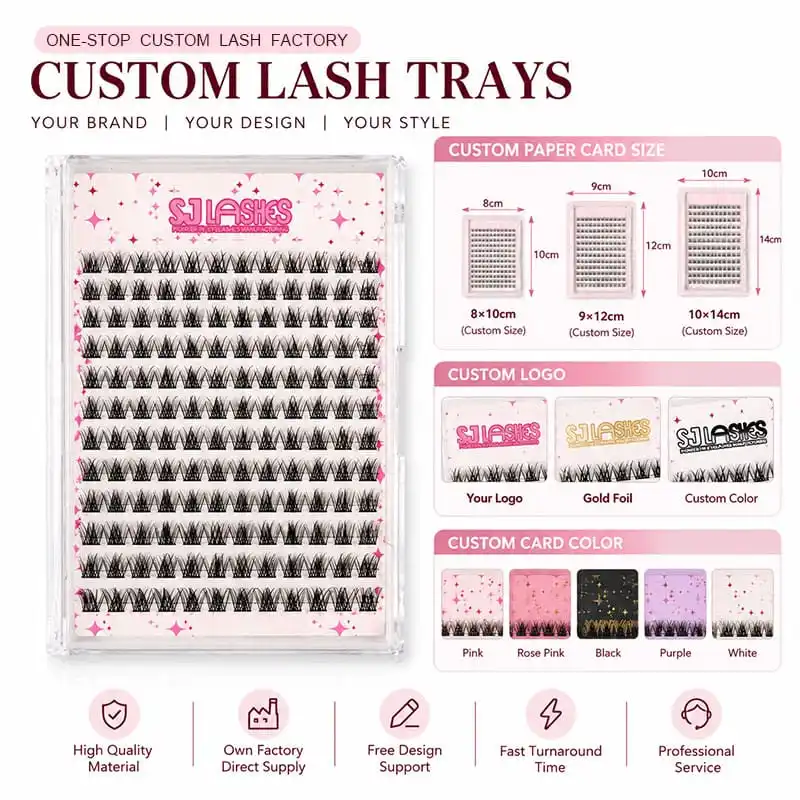
| What is customisable | Card size, card colour, logo, foil, layout, row labels |
| How long customisation takes | As long as a print proof takes — there is no mould to cut |
| Existing card sizes | 8×10cm, 9×12cm, 10×14cm |
| Card colours shown | Pink, rose pink, black, purple, white |
| What protects the product | The case, not the card — the card has no depth |
| Best for | Testing a brand cheaply, seasonal colours, private-label ranges |
| The catch | Adhesion to the card, and hand labour to mount the segments |
A card is a carrier, not a container
Every other format in lash packaging holds the product inside something: a tray recess, a drawer, a moulded well. A card does the opposite — the product sits on the package, attached to its face.
That changes the engineering question completely. With a tray, you are speccing depth, tolerance and retention. With a card, you are speccing adhesion and release: the bond has to be strong enough that a segment does not fall off in transit, and clean enough that it comes away without deforming the base or leaving residue on the fibre.
It is the only place in the pack where the packaging touches the product across its whole footprint, which is why it is also the only format where "the glue on the card" is a real specification line and not an afterthought.
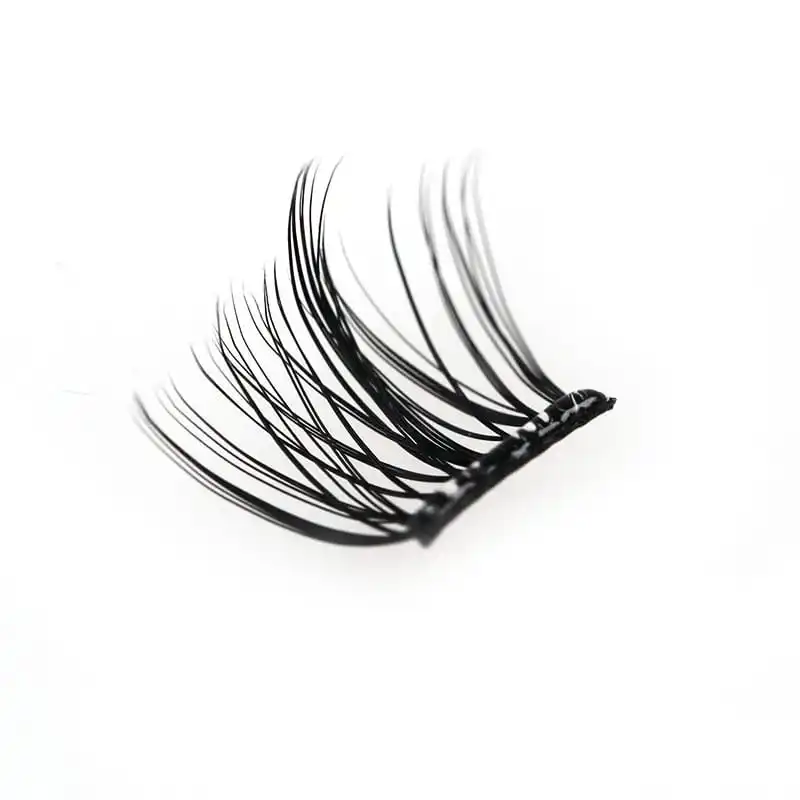
The Base Is What the Card Grips
What to ask about it: what the mounting adhesive is, how it behaves at the temperature the carton will see in summer, and whether it leaves anything on the base after release. A card that sheds segments in a warm container is a damaged-goods claim; a card that grips too hard tears the fan when the customer lifts it.
Protection is outsourced, and that is the point
A card is flat. It has no depth to protect anything, so it cannot be the protective layer — and in this format it is not meant to be. The protection comes from the clear case around it.
Which means you are not buying a card. You are buying a card-plus-case system, and the case has four jobs that the card cannot do:
Rigidity. A printed card in a bag will bend in a mailer. A case gives the pack a spine, so the card stays flat and the rows stay straight.
Standing off the face. The case keeps the lid away from the lash tips. Without that gap, the panel rests on the fibre ends and the fans crush — the same problem a tray solves with a recess, solved here with air.
Hinge life. A folded clear case that has to be opened and closed repeatedly needs a hinge that does not crack. This is where cheap cases fail first: the hinge whitens, then splits, and the pack is unusable while the product is still perfect.
Surface quality. Clear plastic shows every scuff. A case that scratches in the carton makes a new product look handled, so the finish matters even though it is colourless.
The Case Is the Structure; the Card Is the Face
The practical consequence: when you compare card quotes between suppliers, compare the case too. A card price that looks 20% lower is often a thinner case with a shorter hinge life, and the customer experiences that as a product failure, not a packaging downgrade.
The length ladder is printed, and it is the best thing on the card
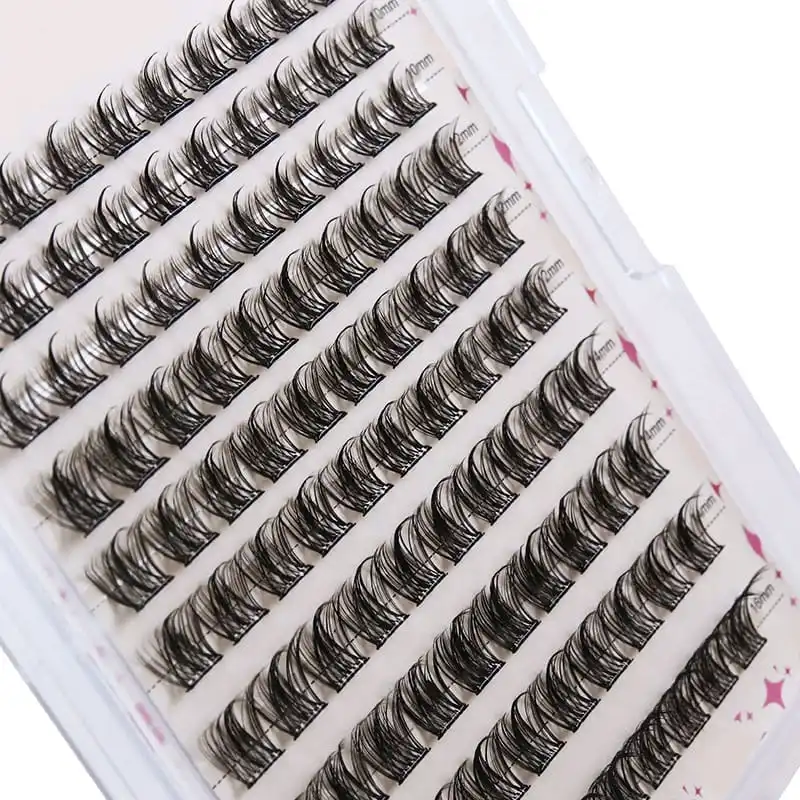
Look closely at the right-hand end of the rows and you will see small numbers printed beside each one: 10mm, 11mm, 12mm, and on down the card to the longer lengths at the bottom.
On a tray, that information has to be dealt with structurally — embossed, moulded, or squeezed into a gap. On a card it is simply type, and that makes it the single highest-value thing you get for free.
Here is why it matters commercially. A card of ten rows looks like a card of ten rows. The same card with each row labelled looks like a graduated set — a range someone built on purpose. The customer stops asking "how many do I get" and starts asking "which row do I use for the outer corner", which is a question that leads to a purchase rather than a hesitation.
Two rules for the labels. Print them where they will not be covered by the case edge or cropped by the die, and make sure they match the actual product on the row. A mislabelled row is worse than no label: it is a promise the customer checks against a mirror.
Millimetre Labels — Type, Not Tooling
Customisation collapses into print
And this is where the format earns its keep. Look at what is actually being customised here:
- Card size — 8×10cm, 9×12cm, 10×14cm, all existing dies.
- Card colour — pink, rose pink, black, purple, white, plus any colour you print.
- Logo — flat print, gold foil, or a custom colour.
- Layout — how many rows, where the brand sits, where the labels go.
None of those is a structural change. All of them are artwork and ink. Which is why a brand can launch a new colourway for a season, or test a private-label identity, without touching a mould — and why a supplier can turn a card revision around in the time it takes to approve a proof.
Where "customisation is just print" stops being true:
- A new card size needs a new die. If your product needs a footprint outside the three standard sizes, you are back in tooling territory — ask for the die cost before you design around a non-standard size.
- Foil is a separate pass. Gold foil on a small logo is a real finishing step with its own setup; it is not a colour you can print. Budget it as a line, not as an upgrade on the ink.
- Dark cards change the artwork. A black or deep purple card cannot carry black type. Every element — logo, row labels, regulatory text — has to be re-thought in reverse. This is the most common reason a "just change the colour" request comes back late.
The cost is in the mounting, not the printing
Here is the part of the quote most buyers misread. A card is cheap to print. Applying the segments to it is not.
Every segment on that card is placed by hand. Ten rows, each with a run of fans, each one seated at the right spacing with the base flat against the adhesive. That is labour, and it is the number that moves when your card gets bigger, your rows get denser, or your fan gets more delicate.
Which produces a counter-intuitive result: a bigger card is not proportionally more expensive to print but is proportionally more expensive to fill. A 10×14cm card is not "a bit more" than an 8×10cm card — it holds more rows, and the delta is mostly hands.
What to do with that: if your price is under pressure, the lever is usually the row count, not the card size or the ink. Ask for a quote at one fewer row before you ask for a cheaper board — it is the change that actually moves the number, and it is invisible to the customer if the rows you keep are the ones she uses.
The tool has no home on a card
This format ships with tweezers, and that exposes a limitation worth planning around: a card cannot hold a tool. There is no recess, no channel, no depth — the tool has nowhere to sit on the card itself.
So the tool lives somewhere else: loose in the case if the case is deep enough, or in its own bag alongside. Each has a consequence.
- Loose in the case reads as a complete kit — open it, everything is there. But the tweezers can move and press against the card face in transit, and a metal tip against a printed card is a scuff waiting to happen.
- Bagged alongside protects both, but now the pack is two pieces at retail, and one of them can be separated from the other on a shelf or in a warehouse.
The honest answer is that this is a decision, not a default: decide it before the case is specified, because whether the case needs extra depth and a retention point is exactly the kind of thing that cannot be added afterwards without a new case.
The Tweezer Is Part of the Pack, Not an Accessory
Why it ships in a bag as well as a case
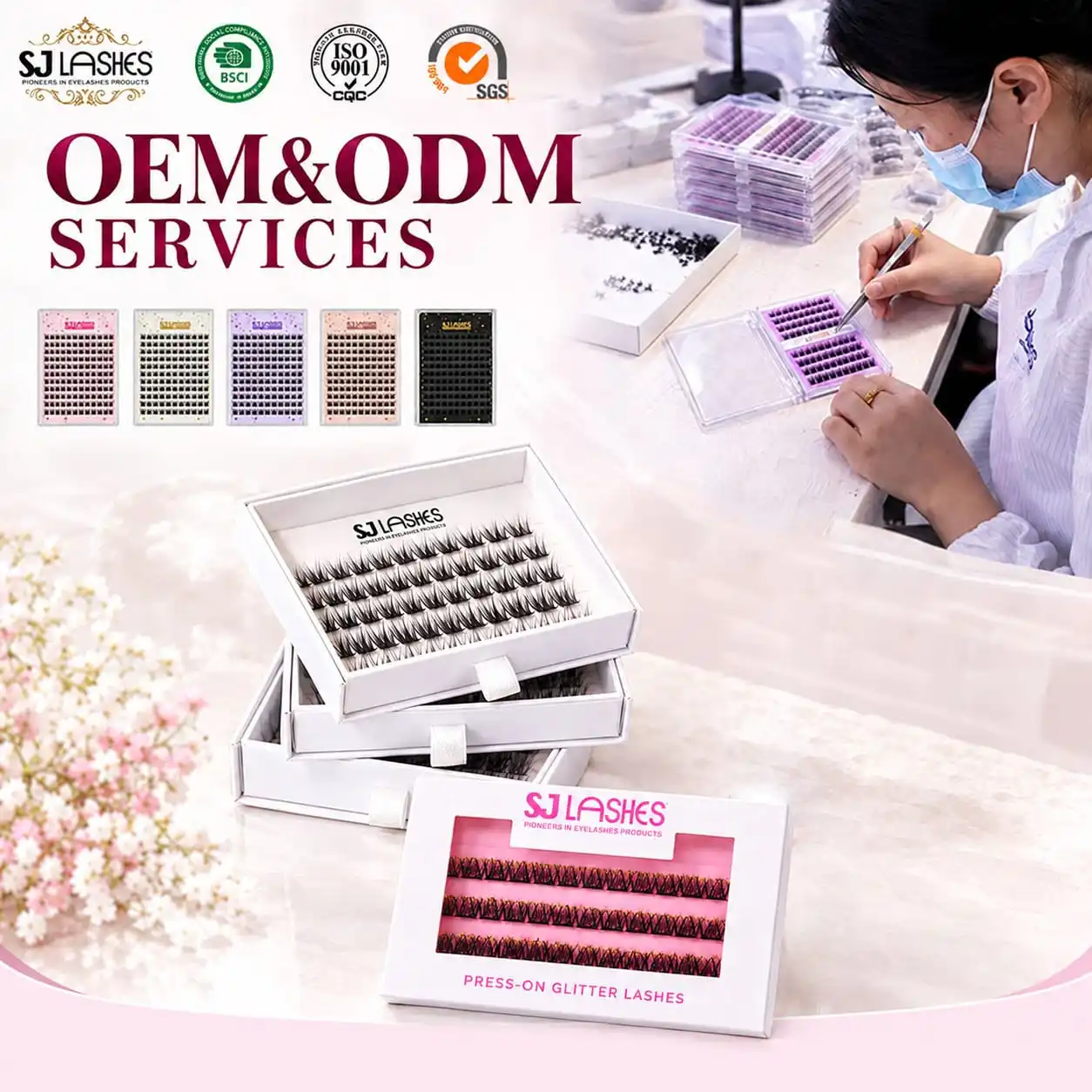
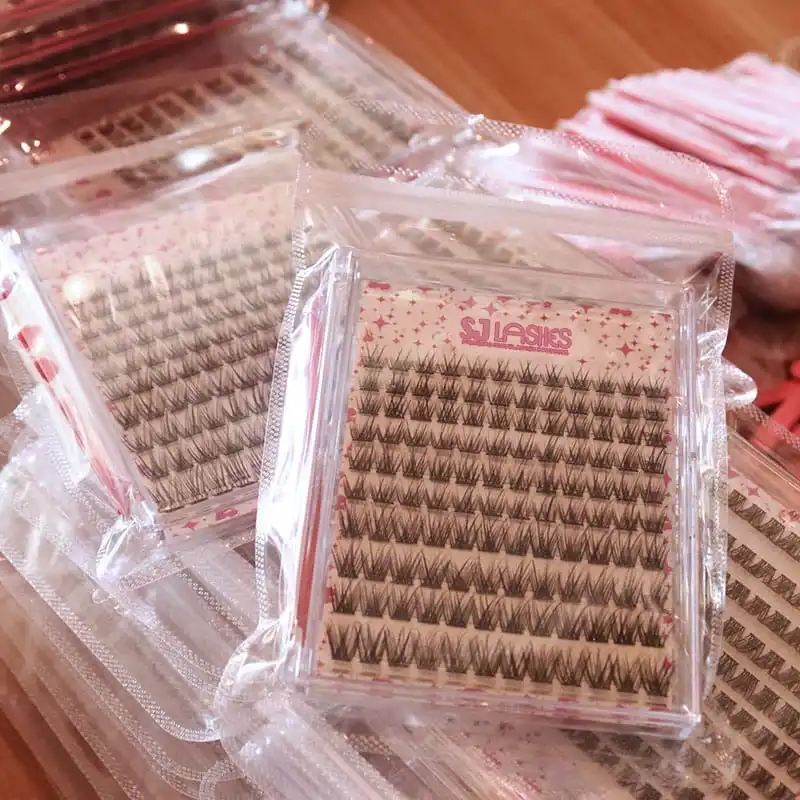
Look at a bulk order and you will see the same card in two outer formats: a rigid clear case for retail, and a plain clear bag for volume.
That is not indecision. It is a cost decision made per channel: the case is what a retail customer is paying for, and the bag is what a distributor or a marketplace seller is paying for — same card, same product, different protection at a different price.
If you are going to run both, specify both at the same time. The card has to be sized so it fits the case without rattling and the bag without folding, and the carton count changes depending on which you ship. A brand that adds the bag version two quarters later usually discovers the card is a millimetre too wide.
Same Card, Two Outer Formats
Card or box: an honest comparison
- Choose the card when you want to test an identity cheaply, run seasonal colours, launch a private label without tooling, or hit a low minimum. Customising a card is a proof; customising a box is a project.
- Choose the card when the product is a single ladder of segments and the pack does not need to teach anything — a card shows the row, prints the lengths, and is done.
- Choose the box when the pack has to protect without a case, hold a tool and liquids, present as a gift, or survive retail handling with no outer plastic.
- Choose the box when you need the pack to be the brand experience — an interior, a reveal, a printed panel. A card has one face, and the customer only sees it once.
- Do not choose the card if your sustainability story forbids plastic, because the case is doing the structural work and you cannot simply remove it.
That last point is the one to sit with. A paper card looks like the low-plastic option and is not, because the card is not the packaging — the case is.
Supplier scorecard
What to ask
- Which card sizes are existing dies, and what does a non-standard size cost?
- What is the mounting adhesive, and how does it behave at the temperature the carton will reach?
- Does the adhesive leave anything on the base after release?
- What is the case material and wall thickness, and what is the hinge rated for?
- Is the case deep enough for the tweezers, and where do they sit?
- Can the row labels be printed at the row ends without being cropped by the die?
- On a dark card, has the reverse artwork been re-proofed?
- Is the logo flat print, foil, or both — and what does foil add as a line item?
What to test on a sample
- Carry test. Take a cased card in a bag for a day, then open it and count. A segment that has moved is a warning; one that has fallen off is a reject.
- Release test. Lift ten segments in a row and check the base of each. Deformed bases or residue mean the adhesive is too aggressive.
- Heat test. Leave a pack in a warm place — a car in summer is the realistic worst case — then check for shedding and for adhesive transfer.
- Hinge test. Open and close the case thirty times. Watch the hinge line for whitening, which is the failure that comes first.
- Scuff test. Rub two cased packs together as the carton would. Clear plastic shows every mark, and the customer reads marks as used stock.
- Label test. Pick a row, read its printed length, and measure the segments on it. This is the one claim every customer can check.
Quote checklist
- Card size (standard die or new), and card stock.
- Card colour, plus a note on reverse artwork if the card is dark.
- Logo treatment: flat print, foil colour, or custom colour.
- Row count, segments per row, and the length ladder.
- Whether row labels are printed, and where.
- Mounting adhesive specification.
- Outer format: clear case, bag, or both — with case wall thickness and depth.
- Tweezer inclusion and its position in the pack.
- Carton and pallet configuration for each outer format.
- Sampling quantity and lead time.
👉Request a sample of our custom lash cards
Compliance and honest claims
"Glue-free" describes the routine, not the chemistry. These lashes need no separate lash adhesive, which is what a customer means by glue-free. But the segment still adheres — to the natural lash, and to the card before that. A pack that says "no adhesive" is claiming something the product contradicts, and on a card, where the adhesive is literally the mounting method, that contradiction is easy to demonstrate. Say glue-free application, not no adhesive.
A card has two faces and both are already busy. Front carries the brand and the rows; back is where the required information has to live if it is not on the case. That means the reverse is a printed face with its own artwork, not blank board — and on a dark card it needs its own proof.
Small format, same labelling obligations. The pack is small, the requirements are not. Product name, net content, responsible party and any required warnings have to be somewhere the customer can read, in the language the market requires.
Do not let the case carry claims it cannot support. A clear case plus a paper card is a mixed-material pack. If you are making a recyclability claim, it has to cover both, and the case is usually the part that fails the test. In the EU, the packaging and packaging waste regulation is pushing toward fully recyclable packaging by 2030 — check the current text for the markets you sell into rather than relying on a supplier's summary.
Verify certification badges before they go on artwork. The credential marks a factory shows in its own marketing are not automatically yours to print. Any certification you put on a card should be current, in your name or explicitly licensed, and scoped to the product it sits on.
Why SJ LASHES
The card format is simple enough that almost anyone can print one. What separates suppliers is what happens around the print.
- We run the card and the case as one specification. Card sized to the case, case sized to the rows, tweezers sited on purpose — not three items quoted separately and hoped into alignment.
- We set the adhesive against the climate it ships in. A card that grips in a temperate warehouse and sheds in a hot container is a problem we test for, not discover.
- We treat customisation as print. Size from existing dies, colour, foil, logo, layout and row labels — so a colourway change is a proof, not a project.
- We fill by hand and price accordingly. The mounting is the cost driver, and we quote it as one so you can see where a cheaper number would come from.
- Low minimums and fast sampling. Card formats are how brands test an identity without tooling, and we quote them that way.
👉Talk to us about your lash card · See packaging options
Frequently asked questions
What is a custom segment lash card? A printed paper card with segment lashes mounted in rows, usually presented in a clear case. It is the format that can be fully customised without cutting a mould.
What can actually be customised on the card? Card size, card colour, logo treatment — flat print or foil — layout, row count and printed length labels. In this range the standard sizes are 8×10cm, 9×12cm and 10×14cm, in pink, rose pink, black, purple and white.
Why is a card cheaper to customise than a box? Because there is no structure to tool. A box change is a die and a minimum run; a card change is artwork and ink, as long as you stay on an existing die size.
Does the card protect the lashes? No — the case does. The card has no depth, so protection comes from the case's rigidity, its stand-off from the lash tips, and its hinge life.
What is the main risk with this format? Adhesion. Too weak and segments shed in transit; too strong and the base deforms when the customer lifts one. It is worth testing with heat rather than at room temperature.
Where do the tweezers go if the card cannot hold them? Either loose in a deeper case or in a separate bag alongside. Both are workable, but the choice has to be made before the case is specified.
Can I launch a seasonal colour without a new order commitment? Usually yes, because a colour change is a print change. Foil is a separate finishing pass with its own setup, so budget it as a line rather than assuming it is free.
Is a paper card the lower-plastic option? Not by itself. The case is doing the structural work, so removing plastic is a packaging redesign, not a material swap.
The takeaway
The segment lash card is the fastest, cheapest way to put a brand on lash packaging — and the least forgiving about physics. There is no depth, so the case protects; there is no recess, so the adhesive holds; there is no structure, so the print carries everything from the logo to the millimetre labels.
Get the adhesive, the case and the reverse artwork right, and you have a pack you can recolour in a season. Skip any of the three, and the cheapest format in the range becomes the one that generates the most claims.
👉Related reading: single row lash packaging · the three most popular lash box types