EN
EN
Foil Stamping vs Spot UV vs Embossing 2026: Which Lash Packaging Finish Actually Sells?
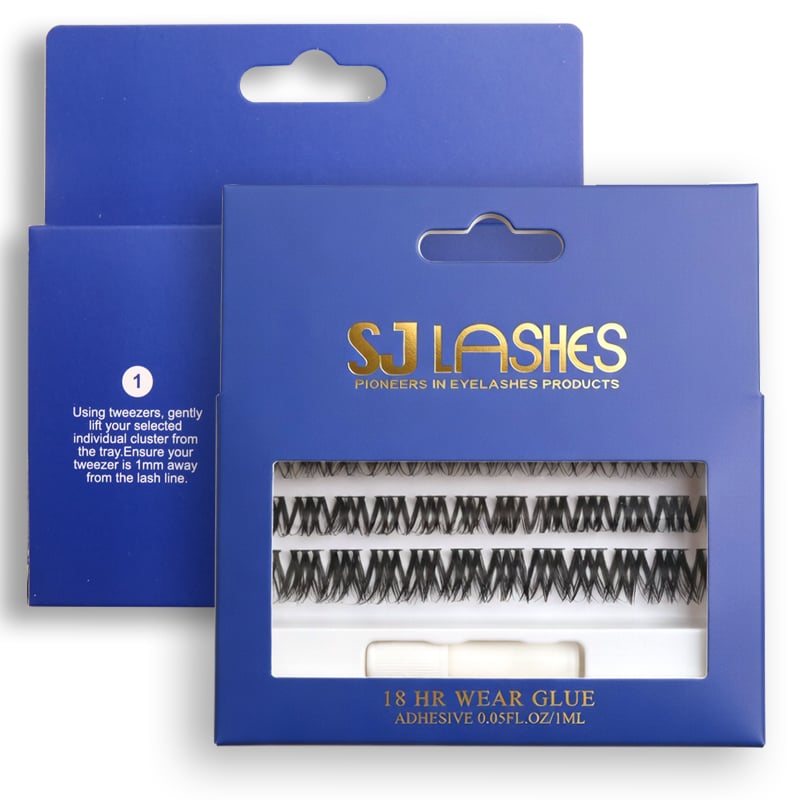
Here's the problem most lash brands never see coming: they spend the budget on a beautiful box design, print it flat, and wonder why it looks like a $3 product on the shelf. The design isn't the problem. The finish is. Flat CMYK printing — no matter how good the artwork — reads as "budget" in beauty retail, where the customer's first 3 seconds are spent touching, tilting and comparing your box against the brand beside it.
The fix is a finishing treatment: a tactile, light-catching layer that makes a box feel expensive in the hand. The three industry standards are foil stamping, spot UV and embossing — and choosing wrong wastes money twice: once on the finish, once on the sales you lose. Our B2B clients constantly ask us: which one actually sells?
From our experience finishing thousands of lash boxes at SJ LASHES, the answer depends on your brand — but foil stamping is the finish that delivers the biggest perceived-value jump for most lash lines. In this guide, we break down how each finish works, where each wins, and give you a practical decision framework for foil stamping lash packaging — whether you're launching a brand or refreshing an existing one.
If you want one finish that makes your lash box look premium in every channel, the strongest move in 2026 is hot foil stamping — gold for luxury, silver for clean-modern, rose gold for feminine-precious — on a matte or soft-touch surface.
👉 Explore custom finishes and request a quote: SJ LASHES Custom Packaging
Quick Answer: Foil Stamping, Spot UV or Embossing — Which Finish Sells Best?
Foil stamping, for most lash brands. It creates the strongest "expensive" signal because metallic light reflection is processed by the brain as luxury — the same cue used by perfume, jewelry and premium cosmetics. Spot UV wins when you want subtle contrast on matte packaging; embossing wins when you want touch-driven depth without color. But for a lash box that must compete on a retail shelf or in an unboxing video, foil stamping lash packaging delivers the fastest perceived-value lift per dollar — especially in gold, silver or rose gold on a matte surface.
| Finish | Look | Feel | Perceived value | Cost |
|---|---|---|---|---|
| Flat CMYK print | Flat, budget | Flat | Low | Low |
| Foil stamping | Metallic shine (gold/silver/rose gold) | Smooth, reflective | High | Medium |
| Spot UV | Glossy contrast on matte | Raised glossy spots | Medium–High | Low–Medium |
| Embossing / Debossing | Dimensional depth | Raised or pressed texture | High | Medium |
Quick Summary Table: The Three Premium Finishes at a Glance
What It Is: The Three Finishing Technologies
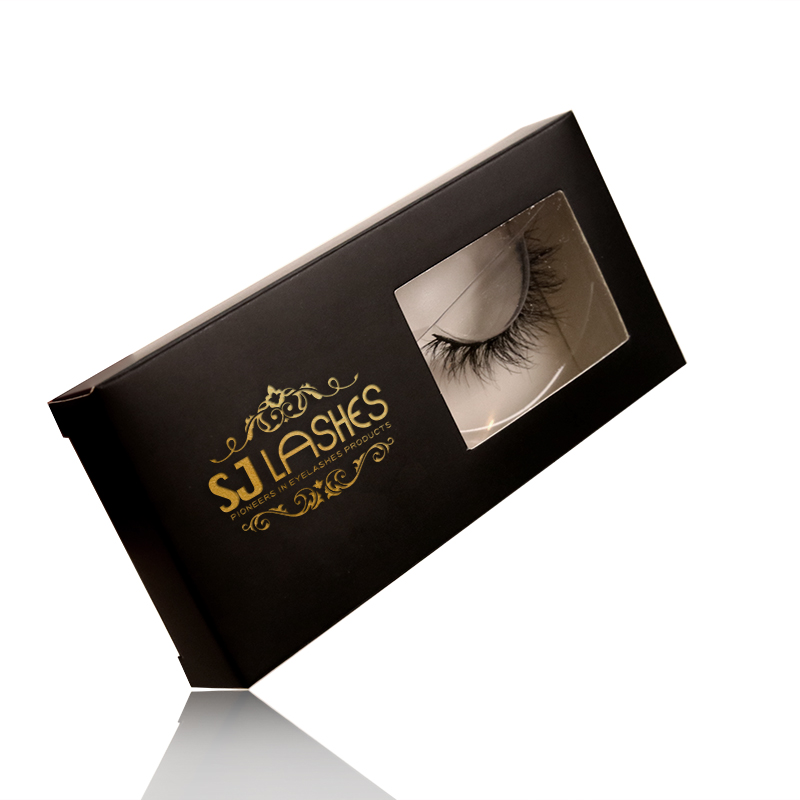
Foil stamping (hot foil stamping) presses a thin metallic film onto the box surface using a heated die — heat, pressure and a metal plate transfer the foil only where your design demands it. The result is a mirror-like metallic logo or accent in gold, silver, rose gold, holographic or custom colors.
Spot UV applies a clear glossy varnish to selected areas of a matte box — your logo, a text line, a decorative shape — creating a subtle glossy-on-matte contrast that catches light as the box tilts.
Embossing (and its inverse, debossing) physically presses the paperboard: the design rises above the surface (emboss) or sinks into it (deboss), adding depth you can feel with a fingertip.
Each technology is usually combined: foil for metallic shine, spot UV for glossy contrast, embossing for touch depth — and a premium box often uses two or three together. But if you can only invest in one, the physics of perception says make it foil.
How It Works: The Physics of "Expensive"
Why does metallic foil read as luxury while flat ink reads as budget? The answer is in how light behaves. Metallic surfaces reflect light with high specular intensity — the "shine" the human eye associates with precious metals. Flat ink absorbs and diffuses light, which is why it reads as ordinary, utilitarian.
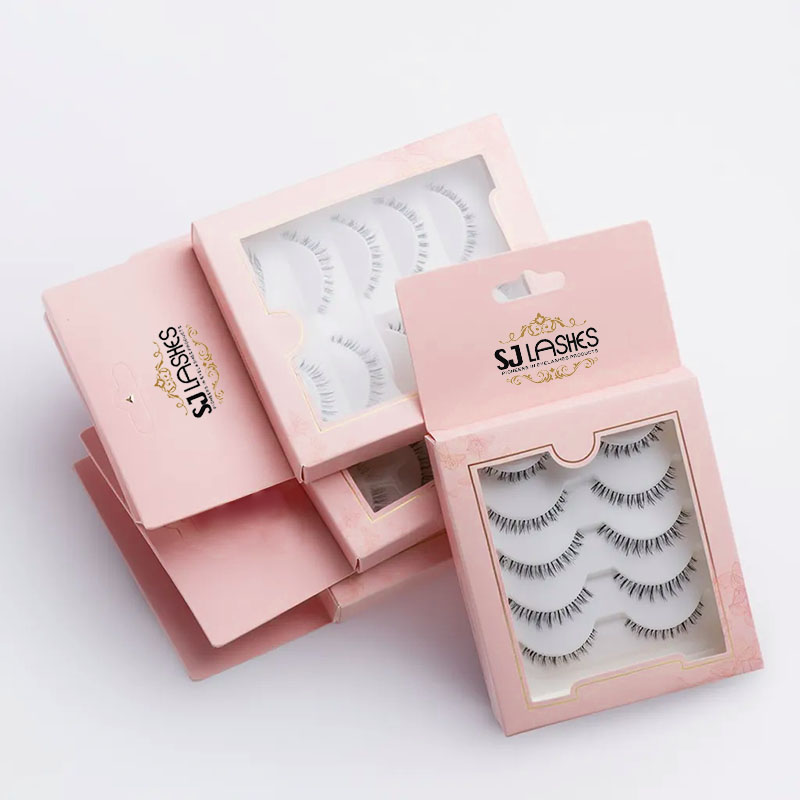
Foil stamping transfers that metal-like reflection onto your logo or design elements at a fraction of the cost of actual metal. Combined with a matte or soft-touch surface — which diffuses light evenly and feels like velvet in the hand — the contrast is amplified: a bright metallic logo against a quiet matte field is the same visual formula used by Chanel, Dior and premium skincare.
The same logic applies in unboxing videos: metallic foil catches studio light, glints on camera, and tells TikTok and Instagram viewers "this is a premium product" before a single word is spoken.
Benefits of Foil Stamping for Lash Packaging
- Instant Perceived-Value Jump: The strongest "expensive" signal per dollar spent — the single most efficient upgrade for a lash box.
- Versatility Across Channels: Foil reads premium on retail shelves, in Amazon listing photos and in unboxing videos alike.
- Brand Signature: A foil-stamped logo becomes your recurring brand cue across every SKU — consistency that builds recognition.
- Three Moods, One Tool: Gold signals luxury heritage, silver signals clean modernity, rose gold signals feminine-precious — pick the one that matches your positioning.
- Higher Price Point Justification: Foil finishing directly supports 20–40% higher retail pricing, which flows straight to your wholesale margins.
Limitations and Potential Risks
We believe in practical commercial judgment. Foil stamping is not a universal fix. First, it's a premium finish with a higher cost per box than flat printing — on ultra-tight budgets, spot UV may be the smarter first step. Second, foil highlights small defects: on low-quality paperboard, metallic areas can look uneven. Third, fine detail is a constraint — foil reproduces bold logos beautifully, but ultra-thin text and micro-details can blur or fill in; your artwork must be foil-friendly. Finally, holographic and custom-color foils carry longer lead times than standard gold or silver.
Comparison Table: Foil vs. Spot UV vs. Embossing
| Feature | Foil Stamping | Spot UV | Embossing |
|---|---|---|---|
| Primary effect | Metallic shine | Glossy contrast | Dimensional depth |
| Best on | Logos, borders, accents | Text, shapes on matte | Logos, patterns, borders |
| Light behavior | High specular reflection | Subtle glossy tilt effect | Shadows from depth |
| Cost per box | Medium | Low–Medium | Medium |
| Lead time impact | Standard (holographic longer) | Minimal | Standard |
| Works with matte/soft-touch | Excellent (highest contrast) | Excellent | Excellent |
👉 See foil-stamped lash boxes and packaging options: SJ LASHES Custom Packaging
Who Should Use Each Finish
Foil stamping — for brands that compete on premium positioning. Luxury lash lines, gift collections and brands selling above the category average price should make foil the default. Wholesale buyers supplying salons and high-end retail stores should demand foil-stamped custom logo boxes, because their customers judge quality by the box.
Spot UV — for budget-conscious launches. New brands testing the market, DTC brands with tight unit economics, and Amazon sellers who need a premium feel at a lower cost should start with spot UV on a matte box — it delivers 60–70% of foil's effect at a fraction of the cost.
Embossing — for tactile-first designs. Brands whose identity is minimalism, craft or eco-luxury — where texture matters more than color — should pair embossing with specialty paper for an understated premium statement.
Who Does Not Need Foil Stamping
You don't need foil stamping if your packaging strategy is deliberately utilitarian — for example, budget-friendly multi-packs where the price point is the message, or kraft/eco-first lines where flat minimalism is the brand statement. If your logo is ultra-detailed with fine text, ask your manufacturer to simplify it for foil first — otherwise, embossing or spot UV may reproduce your artwork more faithfully.
Common Mistakes When Ordering Finishes
The most common mistake is choosing a finish before checking artwork. Foil needs bold, simplified shapes — a logo designed for screen printing will disappoint in foil. The second mistake is finishing on poor material: foil on low-grade paperboard looks cheap, not luxurious. The third is mismatching finish and surface: foil on gloss laminate loses contrast (it competes with gloss reflections); matte or soft-touch lamination makes foil shine. And the most expensive mistake of all: ordering flat printing to save a few cents, then wondering why the shelf position isn't moving — the finish is the salesperson.
Crucial Buying Considerations
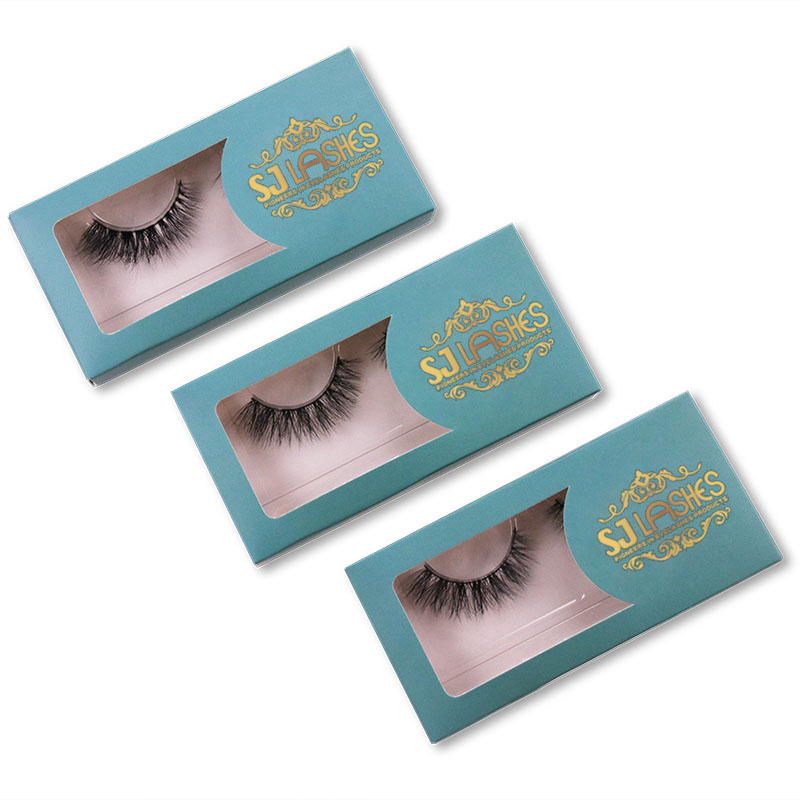
Evaluate four things: foil color (gold, silver, rose gold, holographic), surface pairing (matte or soft-touch lamination for maximum contrast), artwork readiness (bold logo, simplified shapes, no ultra-thin lines), and combination strategy (foil + spot UV, or foil + embossing, for flagship SKUs).
For brands, add the supplier checklist: MOQ per finish, lead time for foil plates and sampling, free design assistance, and whether the factory can adjust your artwork to be foil-friendly before printing.
| Buying Scenario | Recommended Finish | Why It Works |
|---|---|---|
| Premium retail / gift line | Gold or rose gold foil on matte | Luxury signal, supports higher price |
| Modern / clean brand | Silver foil on soft-touch | Fresh premium, high contrast |
| Budget-conscious launch | Spot UV on matte | 60–70% of foil effect, lower cost |
| Minimalist / eco line | Embossing on specialty paper | Quiet luxury, tactile depth |
Buying Guide Table: Choosing the Right Finish
👉Send your logo, ask about MOQ, lead time and free design: Contact SJ LASHES
Expert Recommendation
From our experience finishing lash packaging at scale, the verdict is clear: make foil stamping your default premium finish — gold for heritage luxury, silver for clean modernity, rose gold for feminine-precious — always on a matte or soft-touch surface. If budget forces a choice, spot UV is the smart fallback; embossing is the specialist choice for tactile-first brands.
SJ LASHES Custom Lash Packaging — Foil Stamping & Full Finishing
From the flawless lash to the finished box, we customize every detail.
This is the complete custom packaging capability, engineered to make your brand look expensive:
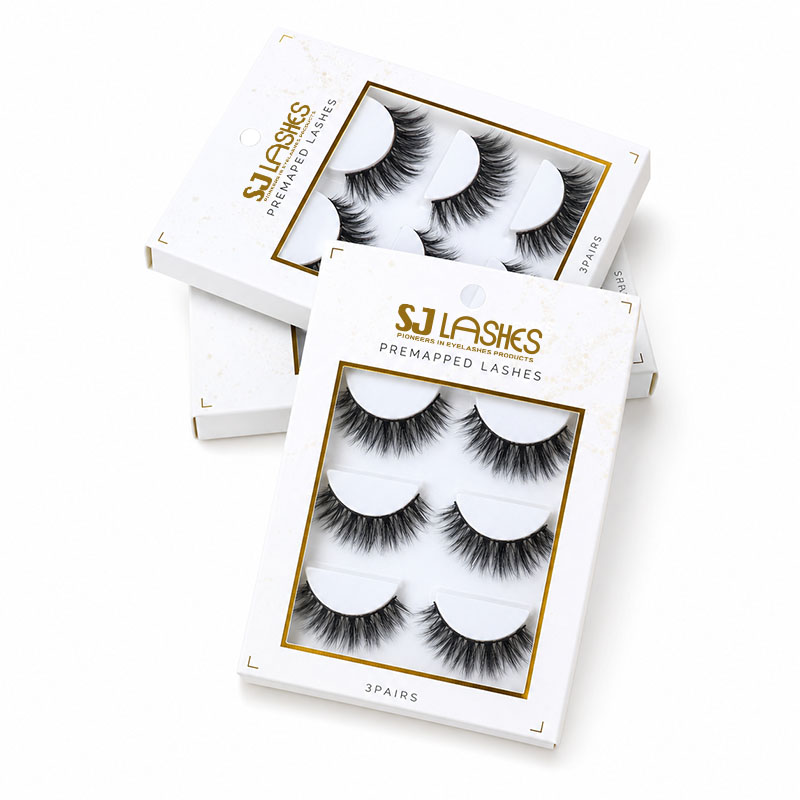
- Hot Foil Stamping: Gold, Silver and Rose Gold logos that shine — plus holographic options for standout collections.
- Full Finish Suite: Spot UV, debossing/embossing, gloss and matte lamination, Pantone spot-color matching.
- Private Label Ready: Free design assistance, low MOQ, fast sampling, and one factory for lashes, liquids and packaging.
Frequently Asked Questions (FAQ)
What is foil stamping on lash packaging? A heated die presses a metallic film onto the box surface, transferring gold, silver, rose gold or holographic foil only where your design requires — creating a mirror-like premium logo.
Which is better for lash boxes: foil stamping or spot UV? Foil stamping delivers a stronger perceived-value jump (metallic luxury signal); spot UV offers glossy-on-matte contrast at a lower cost. Premium lines use foil; budget-conscious launches start with spot UV.
Does foil stamping increase the cost a lot? It adds a medium per-box cost — typically small relative to the 20–40% retail price increase it supports. Ask your supplier for per-finish pricing before deciding.
Can I get free design help for foil artwork? Yes. SJ LASHES includes design assistance — we simplify and optimize your logo for foil-friendly printing, then sample before bulk. Low MOQ supports testing.
Conclusion: The Finish Is Your Silent Salesperson
In 2026, your lash box has three seconds on a shelf and one tilt in an unboxing video to prove it's premium. Flat printing loses both. Foil stamping lash packaging wins them — metallic light, matte contrast and a logo that feels like a signature. For brands, it's the single most efficient perceived-value upgrade in the category, and it flows directly to your margin. The next step is the same for everyone: send your logo, request a sample, and let the shine do the selling.
👉Send your logo, ask about MOQ and lead time, and finish your packaging like a flagship today: Contact SJ LASHES | Explore custom options: SJ LASHES Custom Packaging